
Bauchi State explores Türkiye’s agricultural machinery power for food security
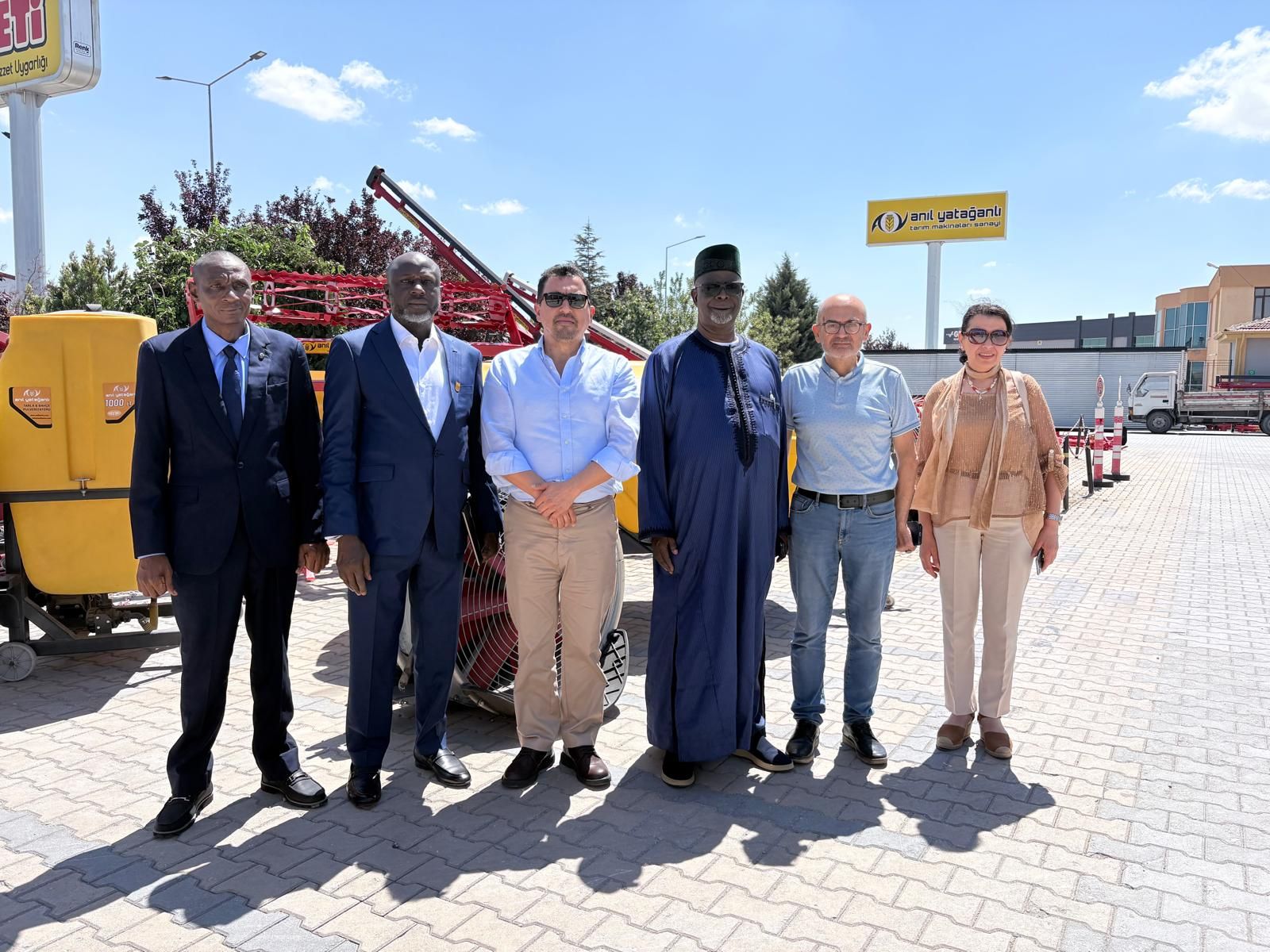
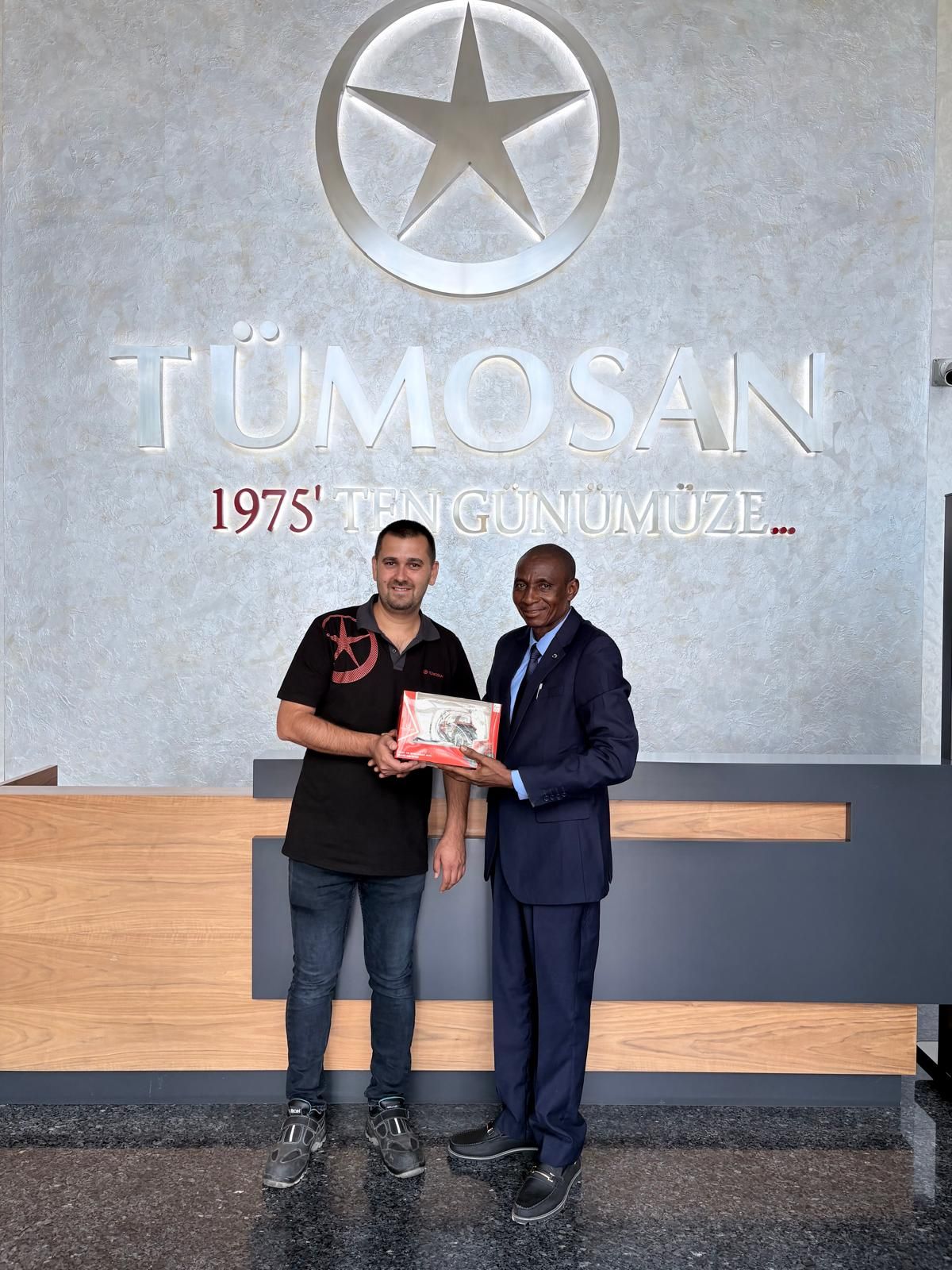
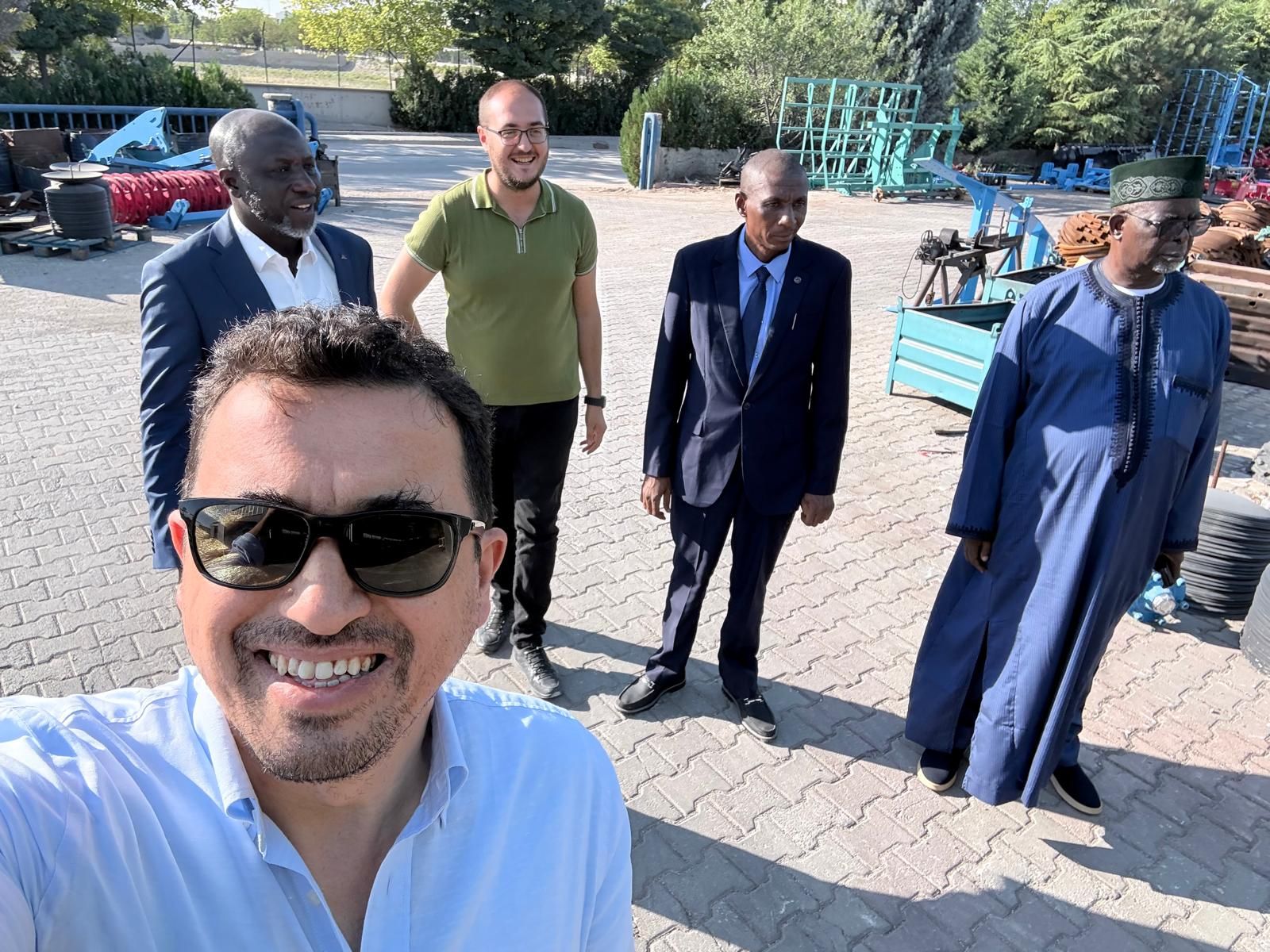
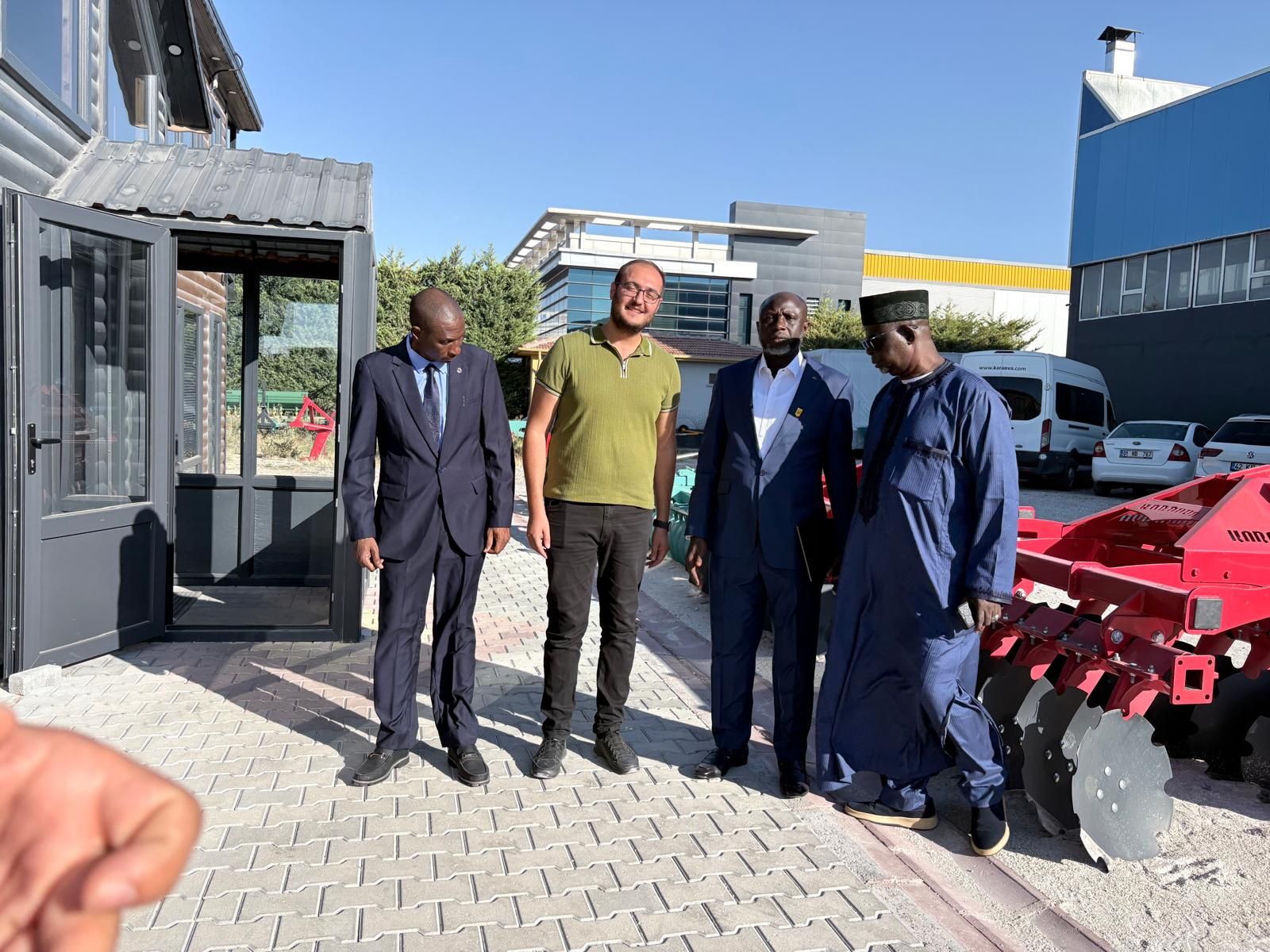
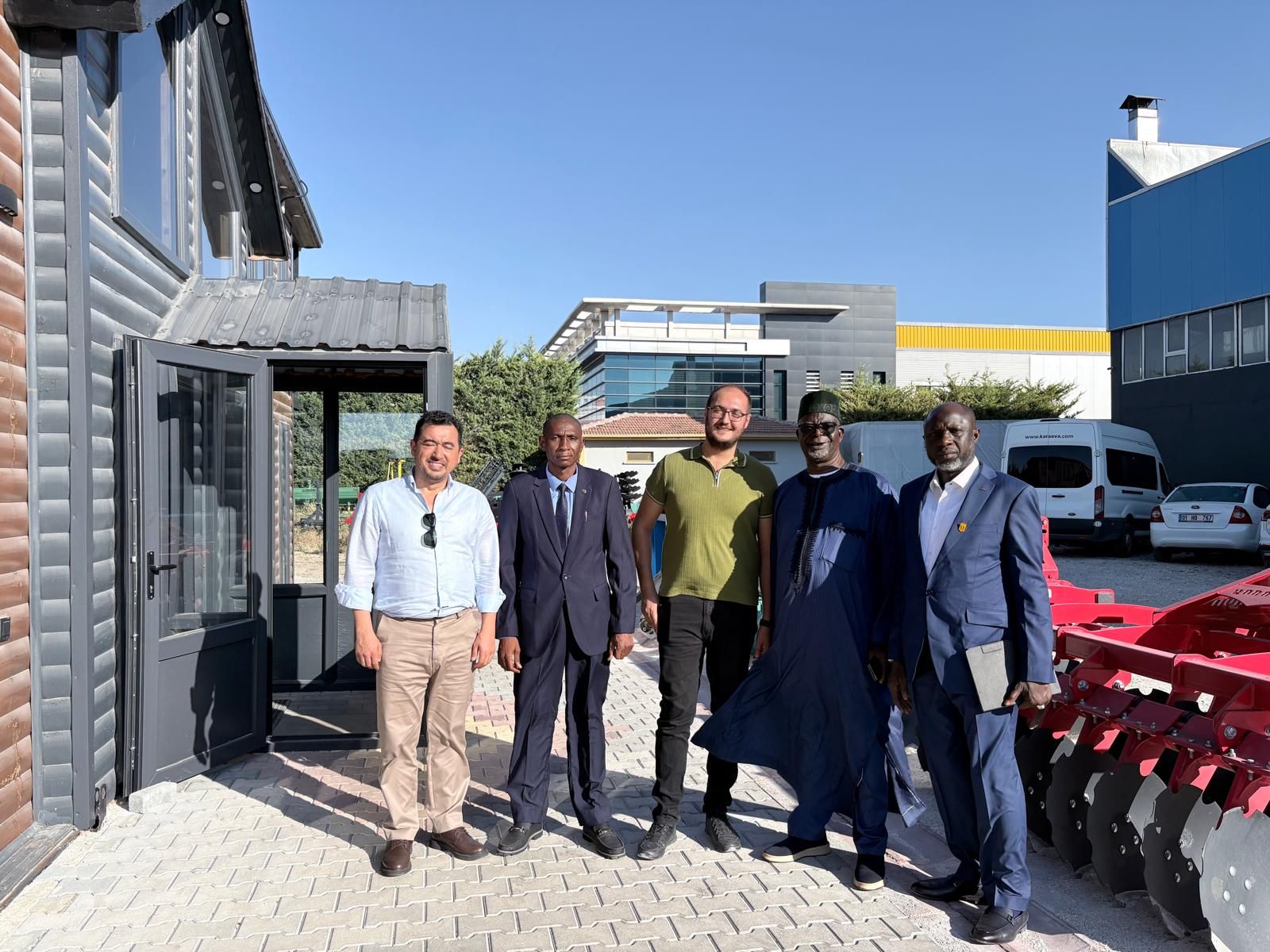
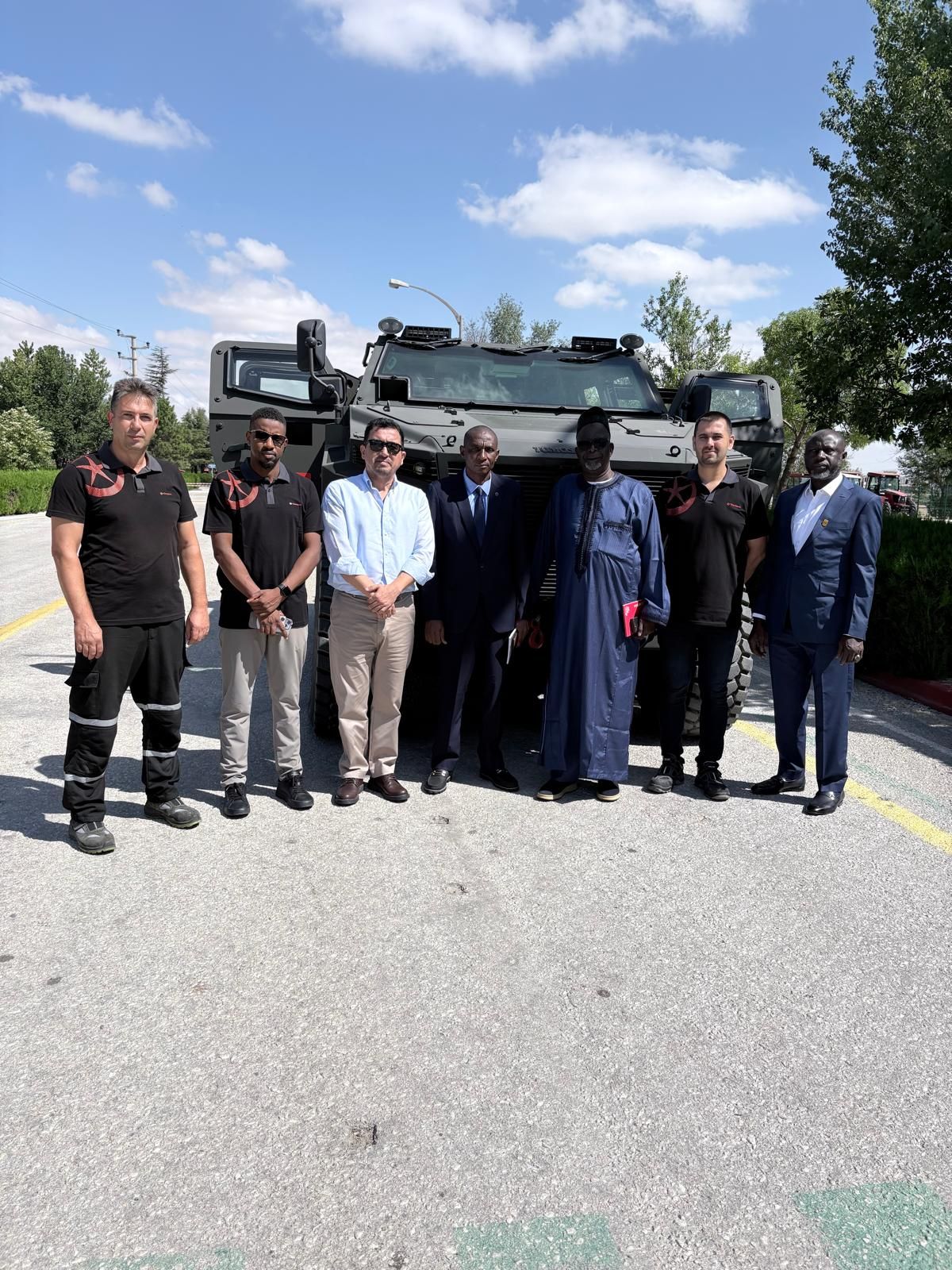
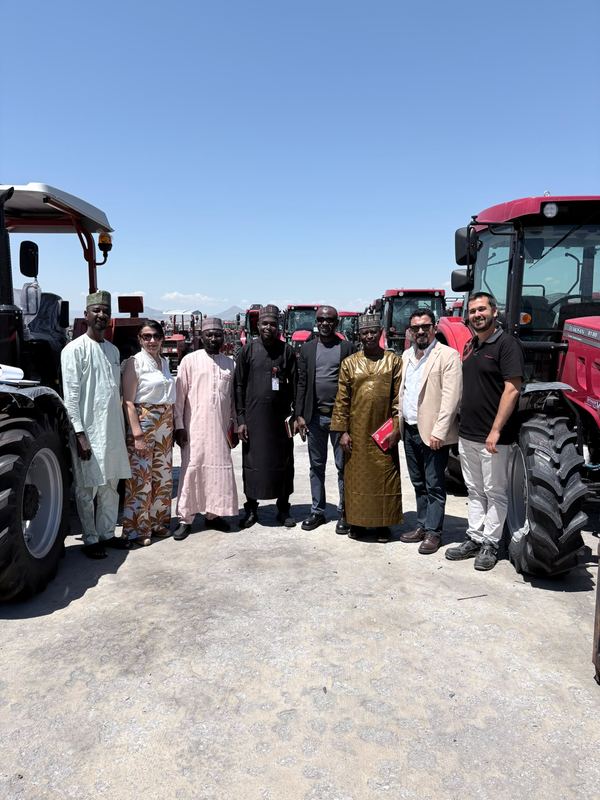
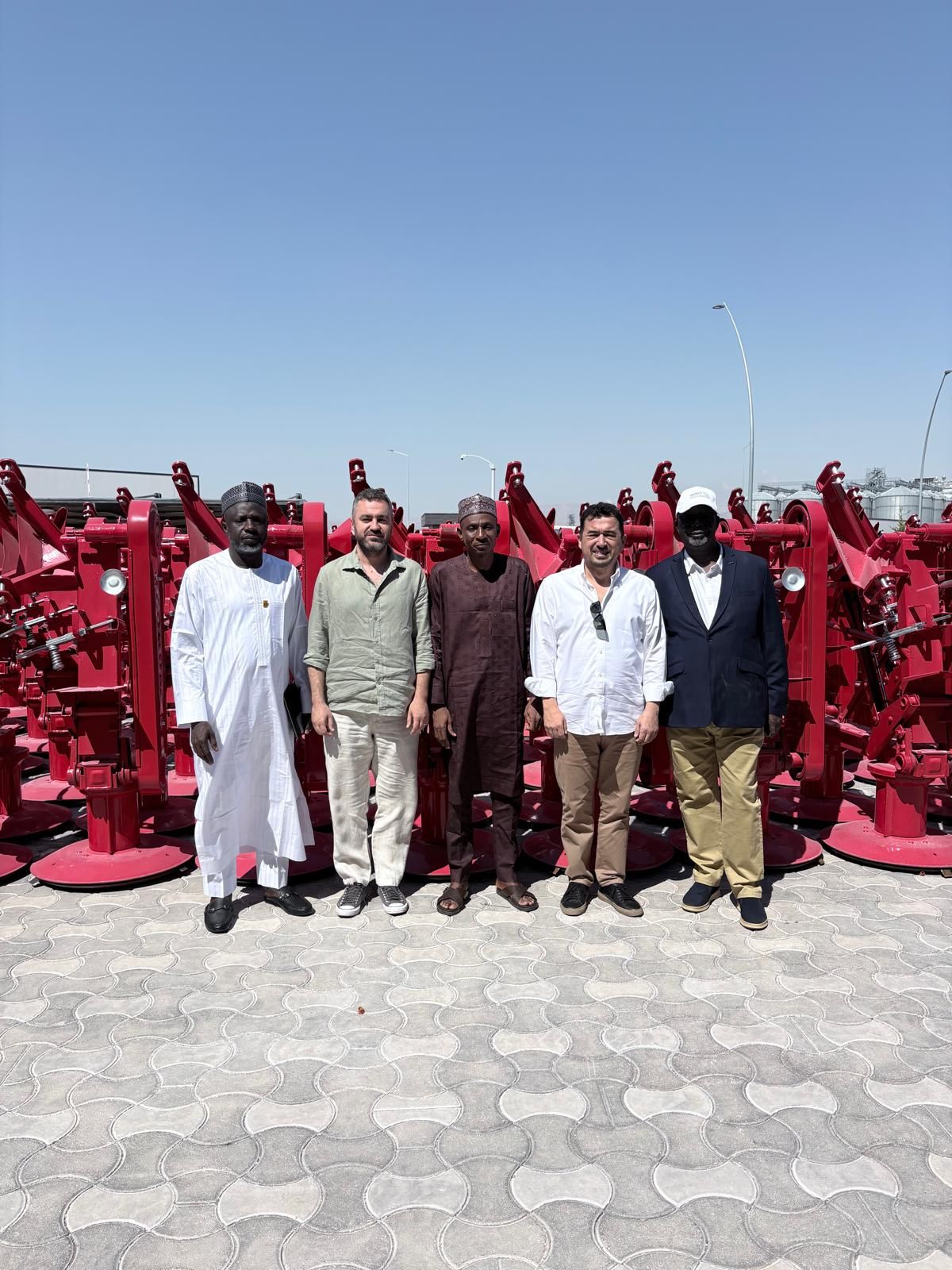
A high-level delegation from Bauchi State, Nigeria, led by the Honourable Commissioner for Agriculture, visited Konya, Türkiye, between 12 and 16 August 2026 to explore agricultural mechanisation, climate-smart technologies and potential Türkiye–Nigeria cooperation.
The mission was built around a clear objective: how can modern agricultural technology help Bauchi increase productivity, strengthen food security and develop more climate-resilient farming systems?
Why Konya?
Konya is one of Türkiye’s most important agricultural and industrial centres. The province accounts for approximately 65% of Türkiye’s agricultural machinery and equipment market, while around 45% of the country’s agricultural machinery exports originate from Konya.
This industrial strength made Konya an ideal location for the Bauchi delegation to examine agricultural technologies directly at their source.
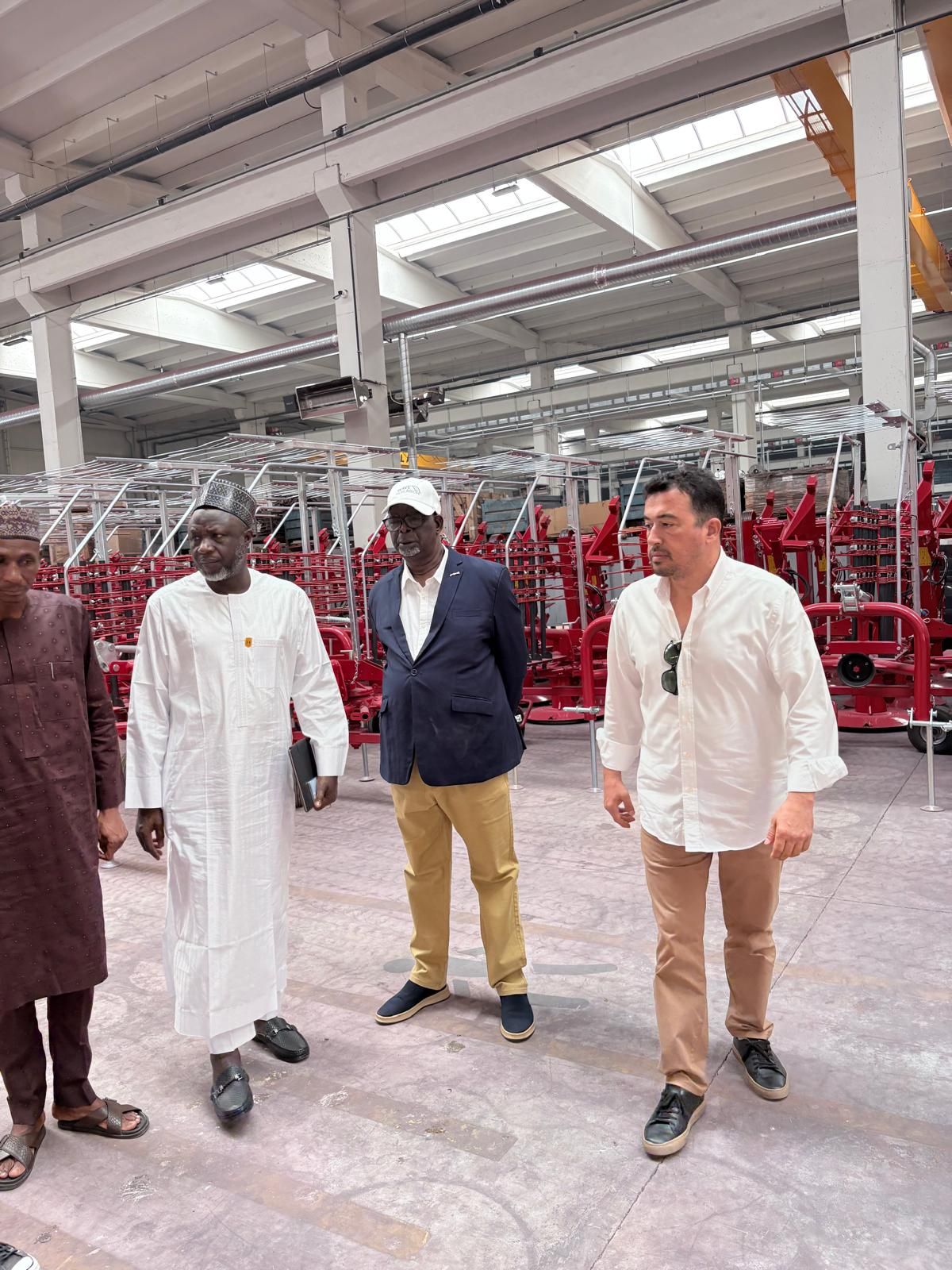
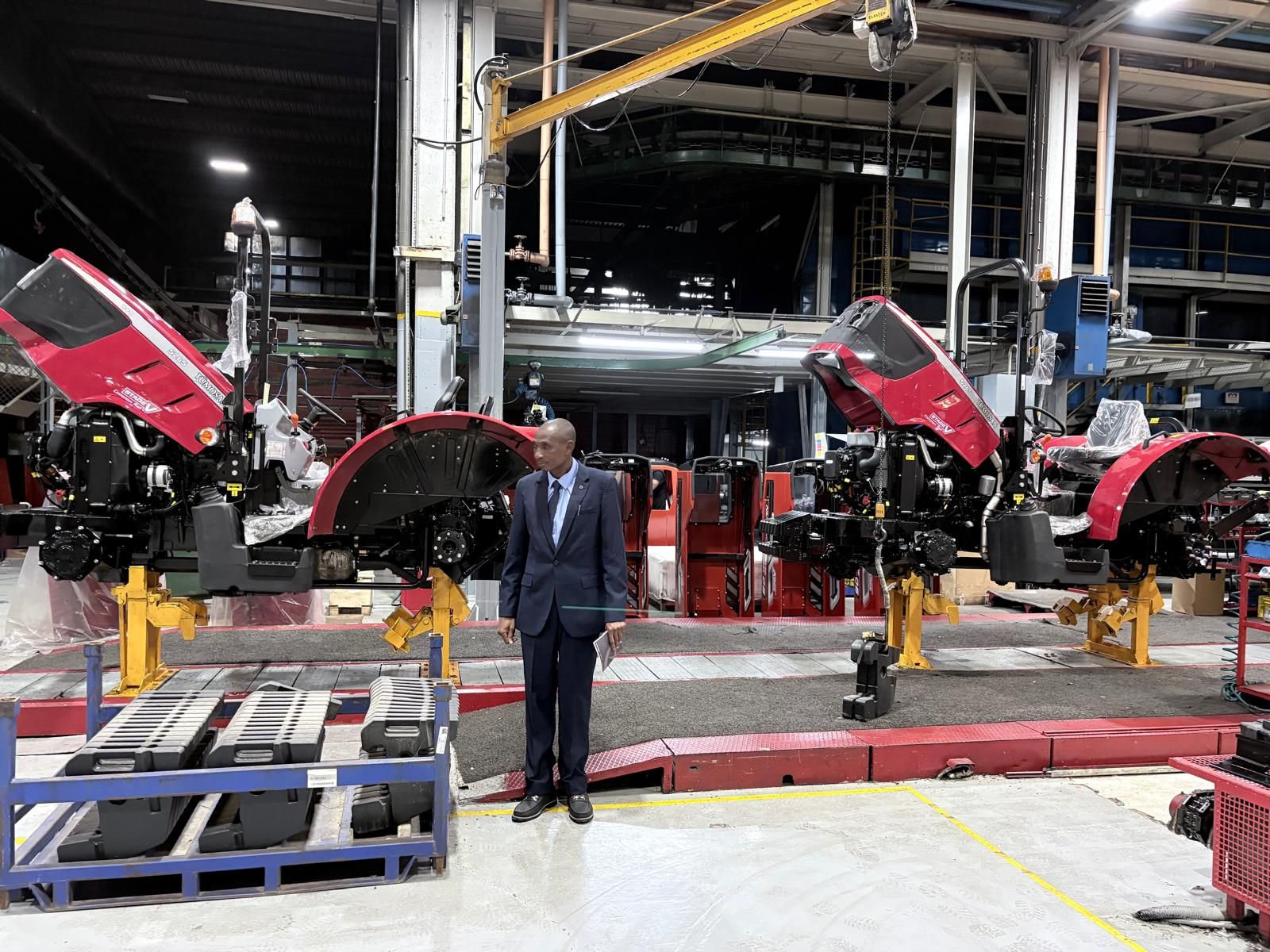
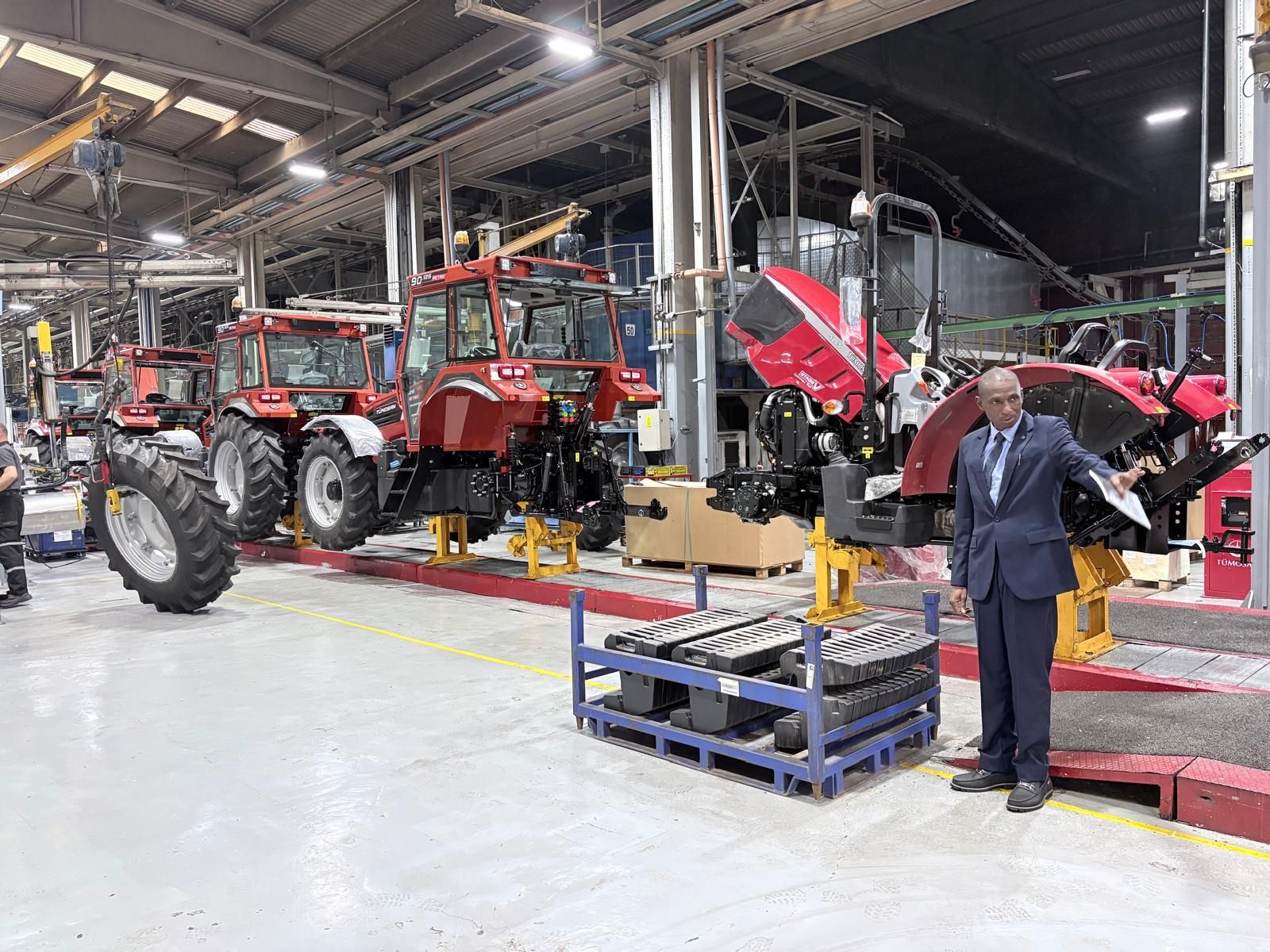
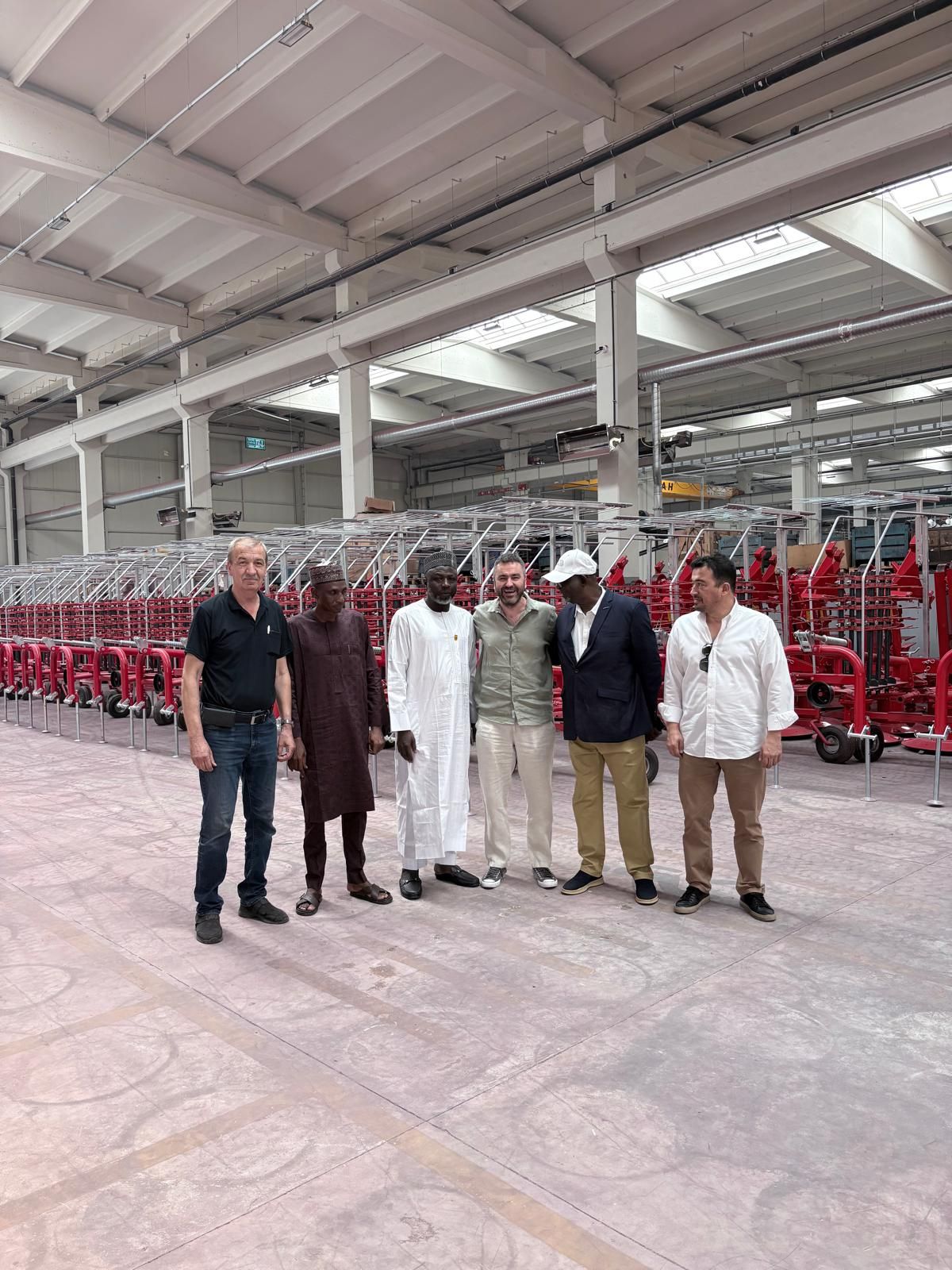
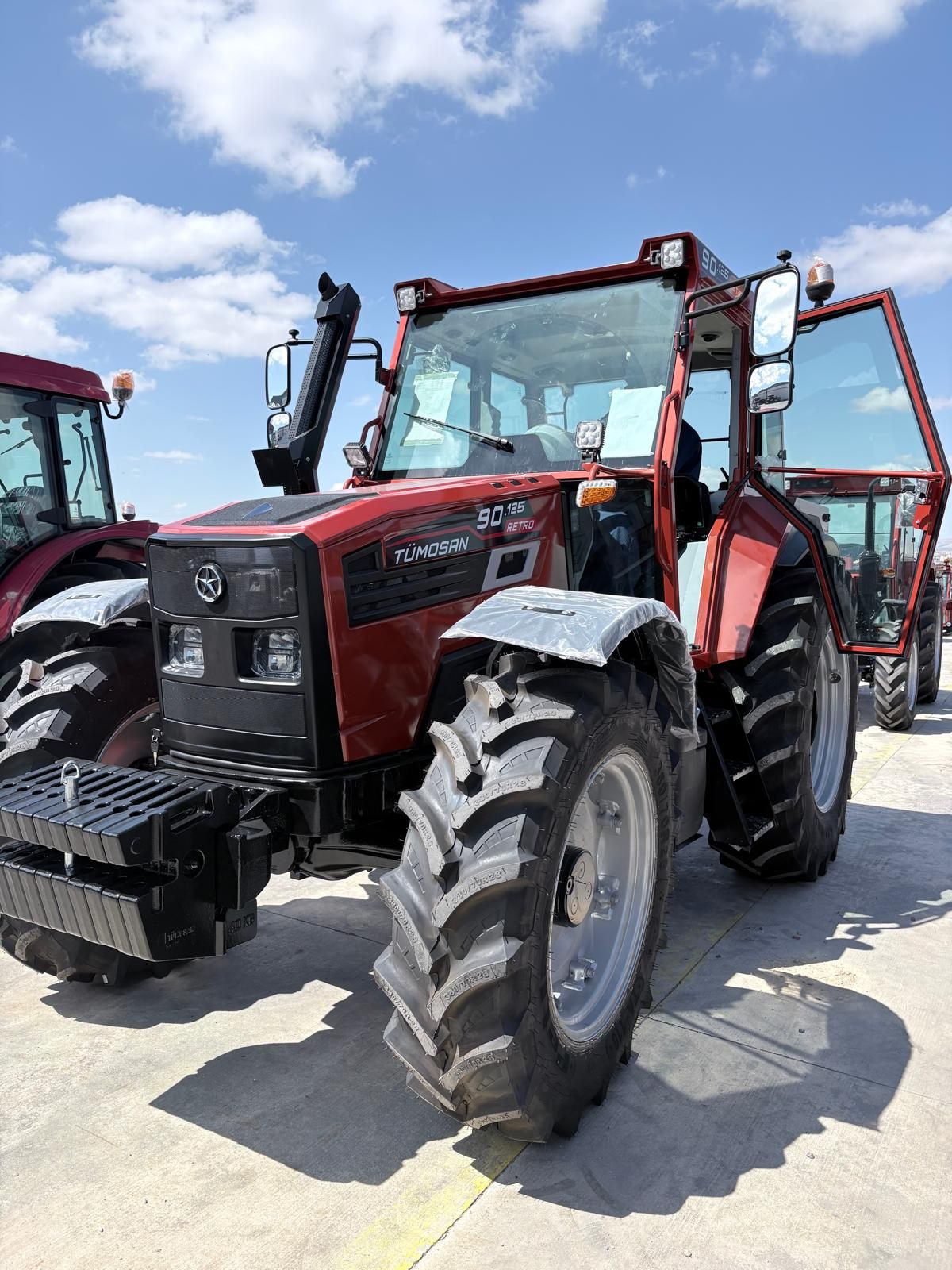
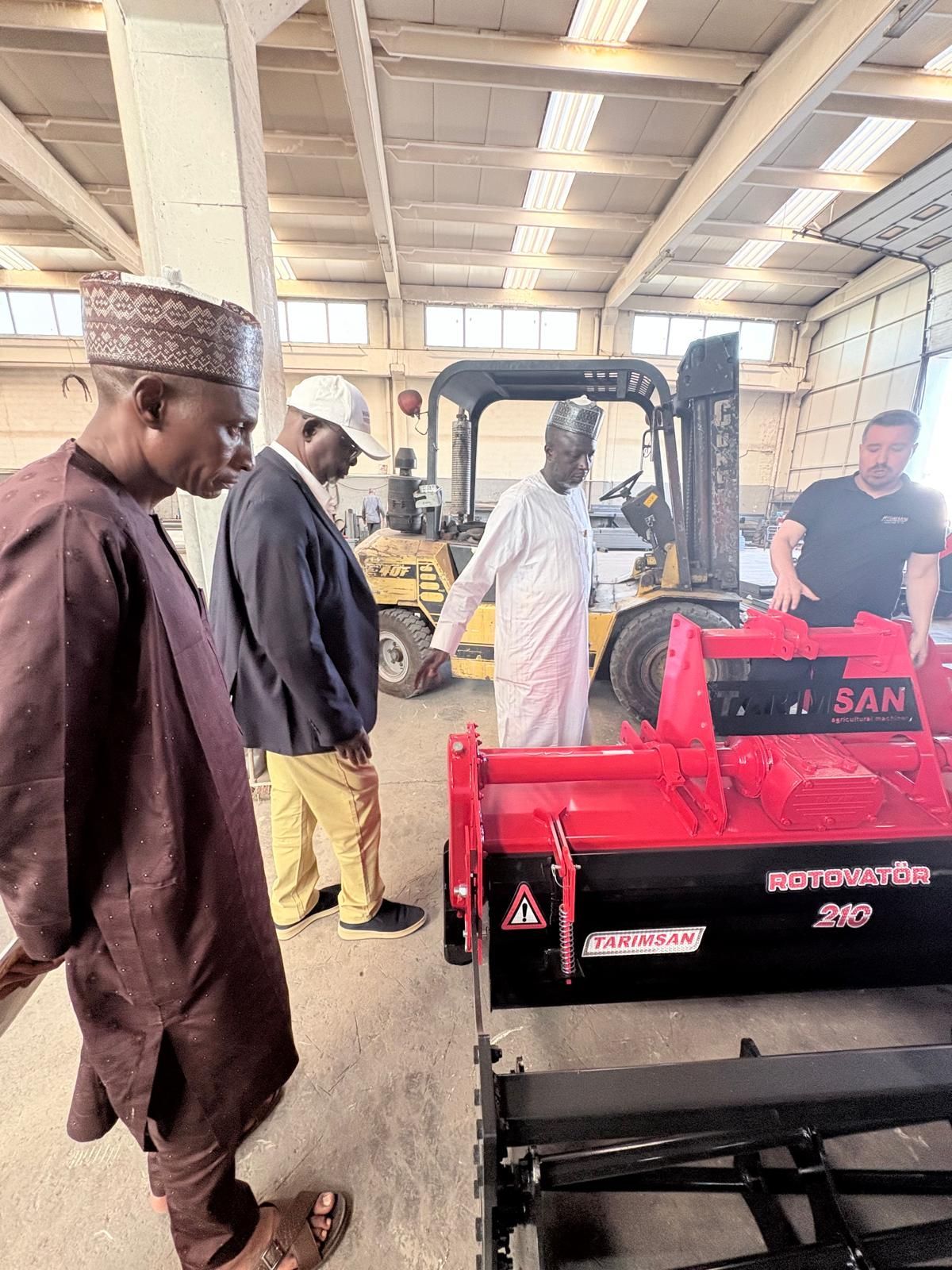
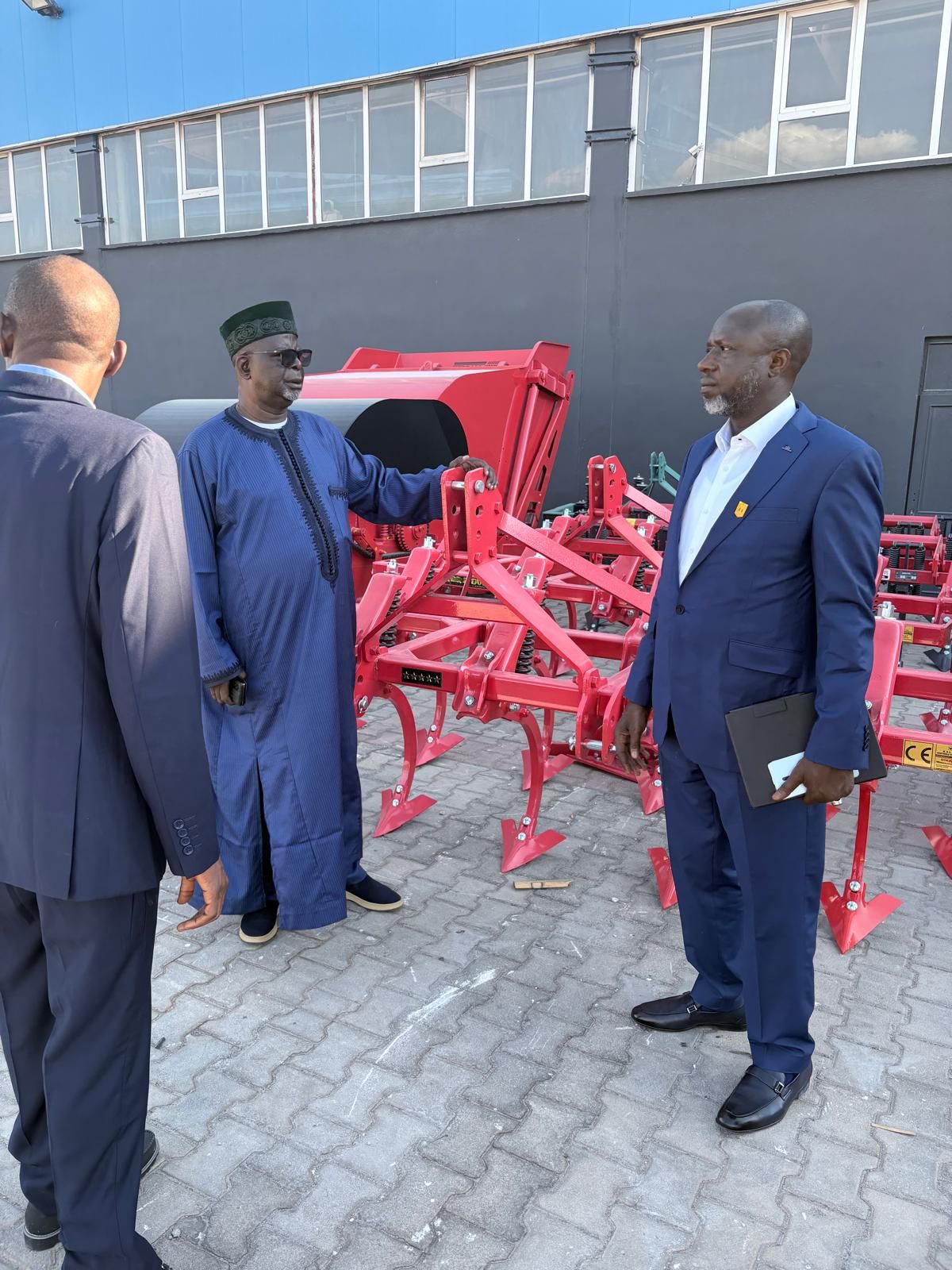
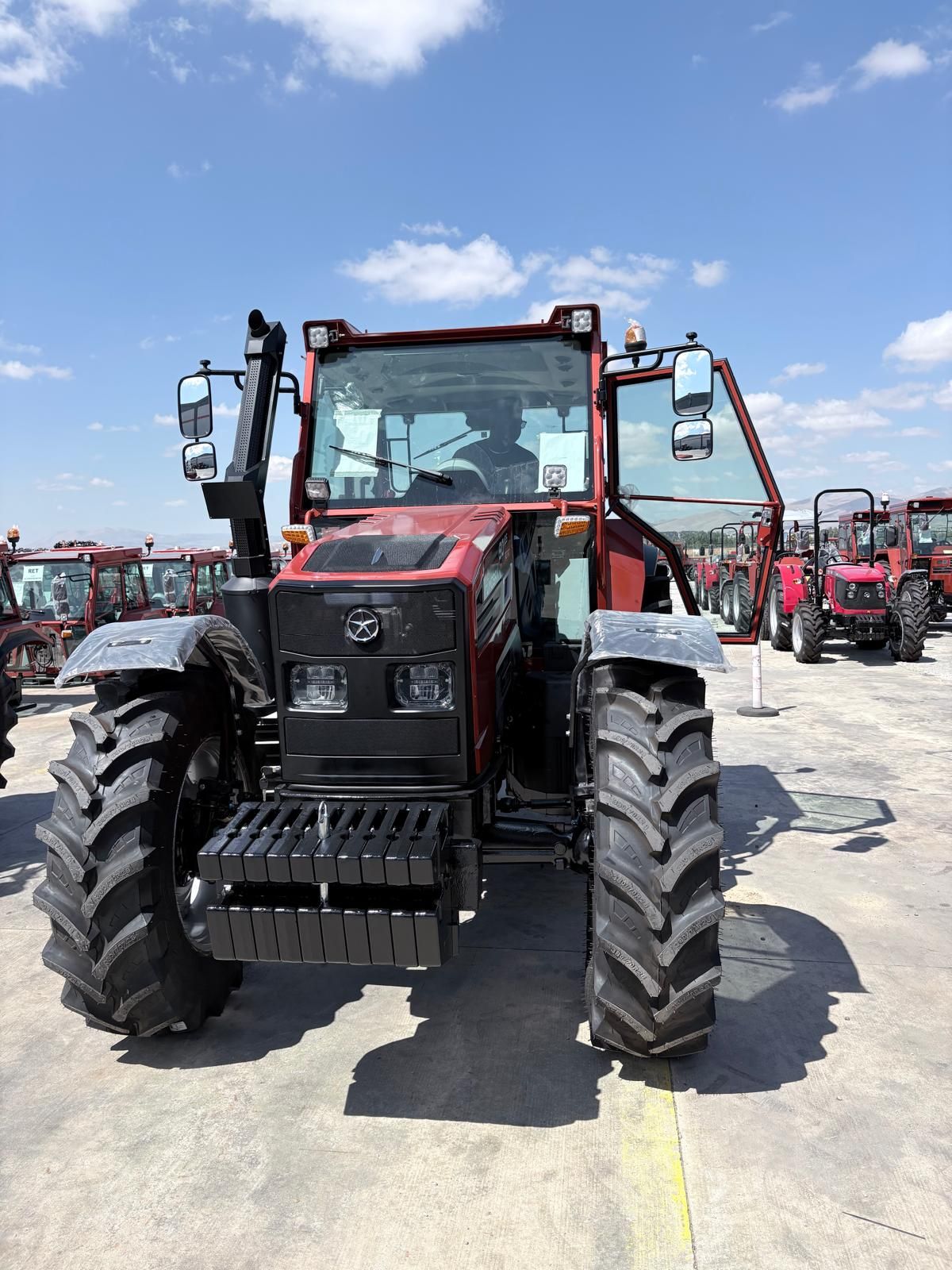
During the programme, the delegation visited approximately ten agricultural machinery manufacturers and sector organisations, entering production facilities, observing manufacturing and assembly lines, examining tractors and agricultural implements, and holding technical discussions with Turkish companies.
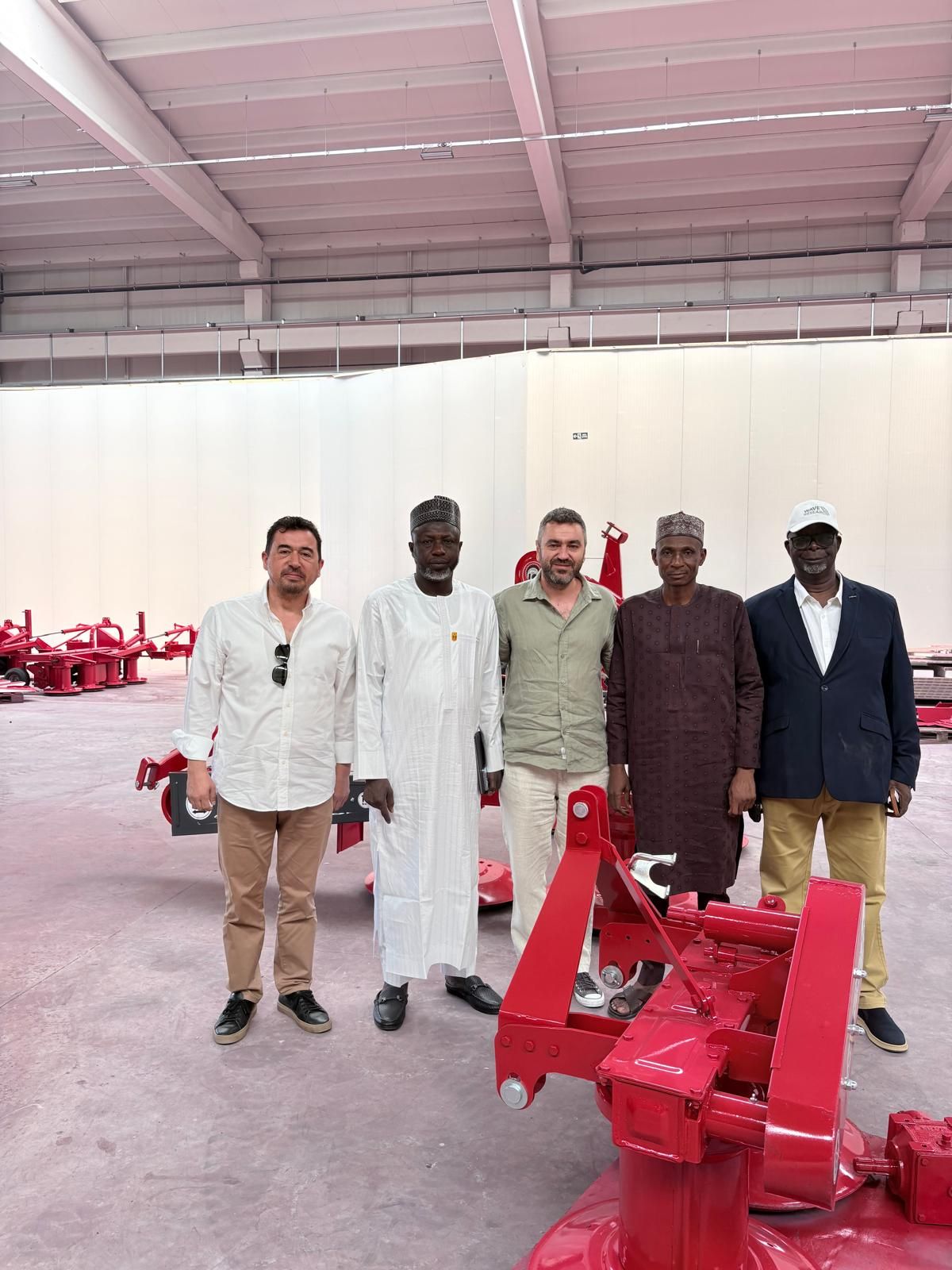
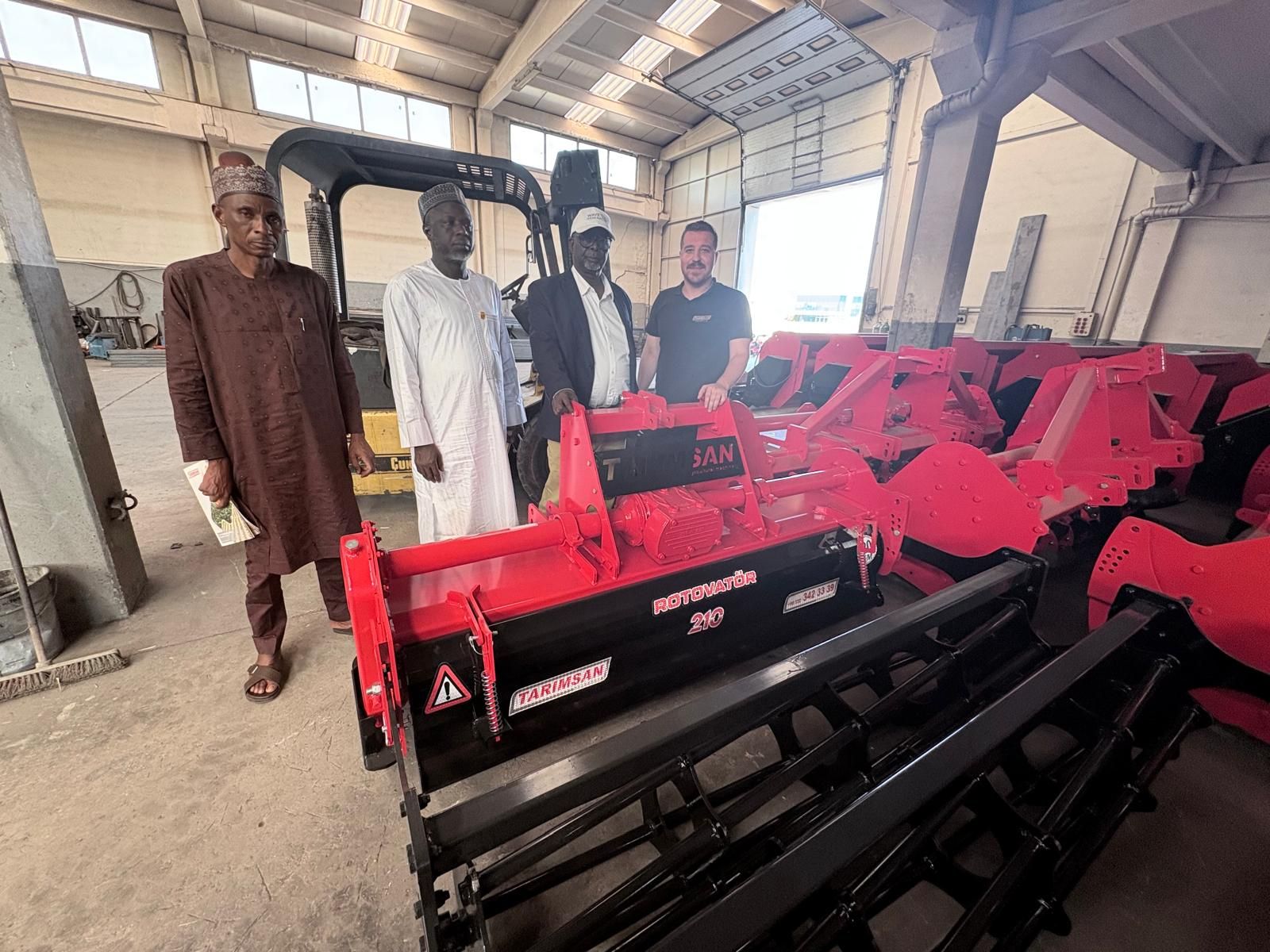

From machinery to food security
The mission went beyond conventional machinery procurement.
Agricultural mechanisation becomes strategically valuable when it contributes to higher productivity, timely planting and harvesting, efficient use of inputs, reduced production losses and improved access to technology for farmers.
The delegation therefore explored equipment and technologies relevant to:
- land preparation and soil management;
- tractors and agricultural implements;
- planting and seeding;
- fertiliser and input application;
- harvesting and post-harvest operations;
- precision and climate-smart agriculture;
- maintenance, spare parts and technical training.
The discussions also considered how modern machinery could be adapted to Bauchi State’s crops, farming conditions and long-term agricultural development priorities.
Climate-smart agriculture
Climate-smart agriculture requires more than purchasing modern equipment. Technology must be matched with the right crops, soils, farming systems and technical knowledge.
Mechanisation can support this transformation by enabling farmers to perform operations at the correct time, improve input efficiency, reduce losses and progressively integrate technologies such as GPS guidance, precision agriculture, sensors and digital farm-management systems.
For Bauchi State, the objective is not simply to acquire machinery, but to build an agricultural system capable of producing more food efficiently and sustainably.
Institutional cooperation
The delegation also engaged with the International Association of Agricultural Cities – AgriCities, supported from Konya, providing an additional perspective on international agricultural cooperation, local-government engagement, knowledge exchange and rural development.
Such collaboration is particularly important because sustainable food security requires cooperation between governments, farmers, manufacturers, technology providers, investors, universities and development institutions.
Building a Türkiye–Nigeria agricultural bridge
The programme demonstrated the strong complementarity between both countries. Türkiye offers established agricultural manufacturing capacity, engineering expertise and technology. Nigeria offers extensive agricultural potential, a large domestic market and significant demand for higher productivity and food production.
Harvest Nex works to connect these strengths through structured technical missions, commercial engagement and project development. Our objective is not simply to organise factory visits. It is to create a pathway:
Agricultural need → Technology → Manufacturer → Commercial cooperation → Implementation → Productivity → Food security
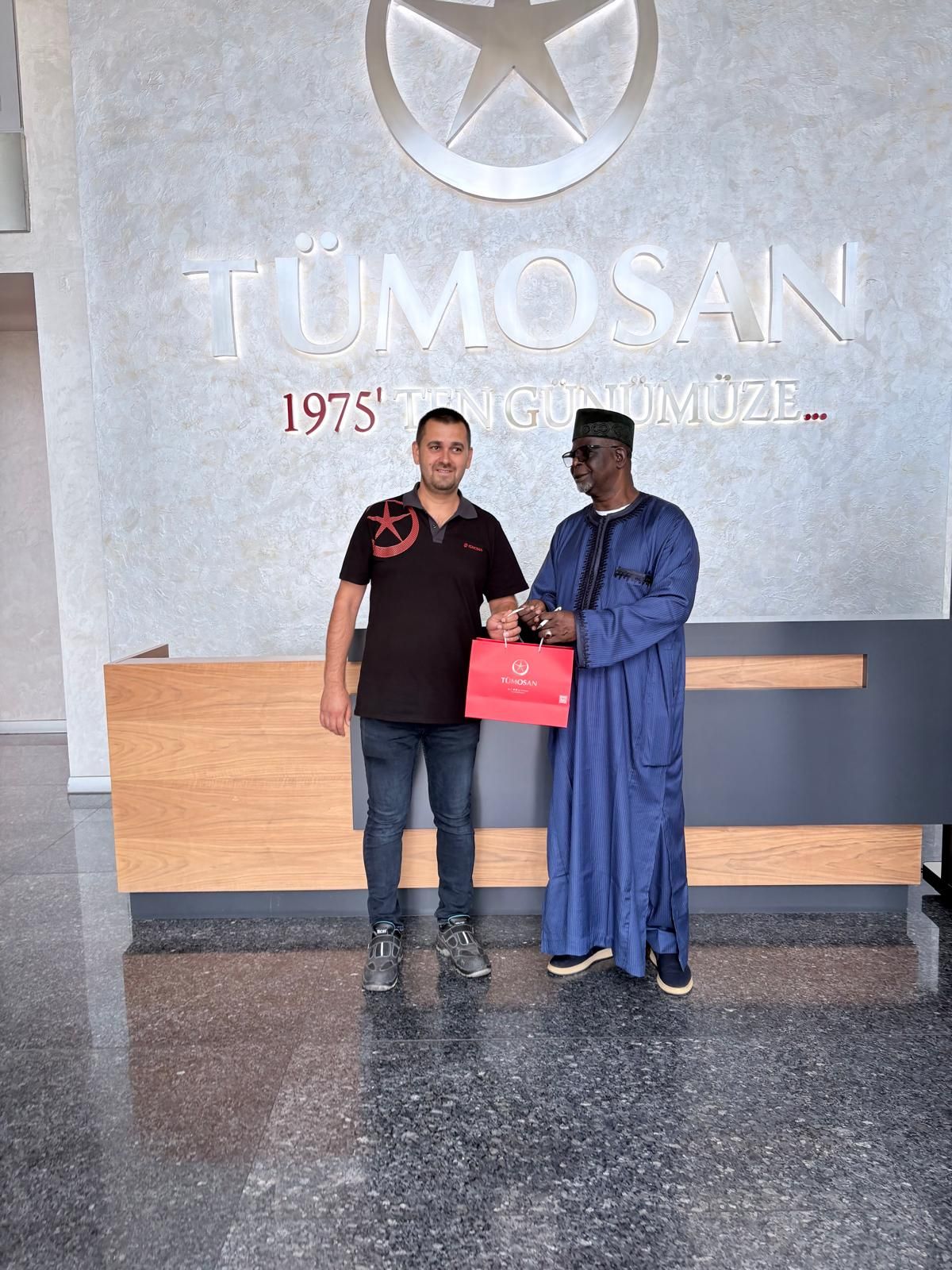
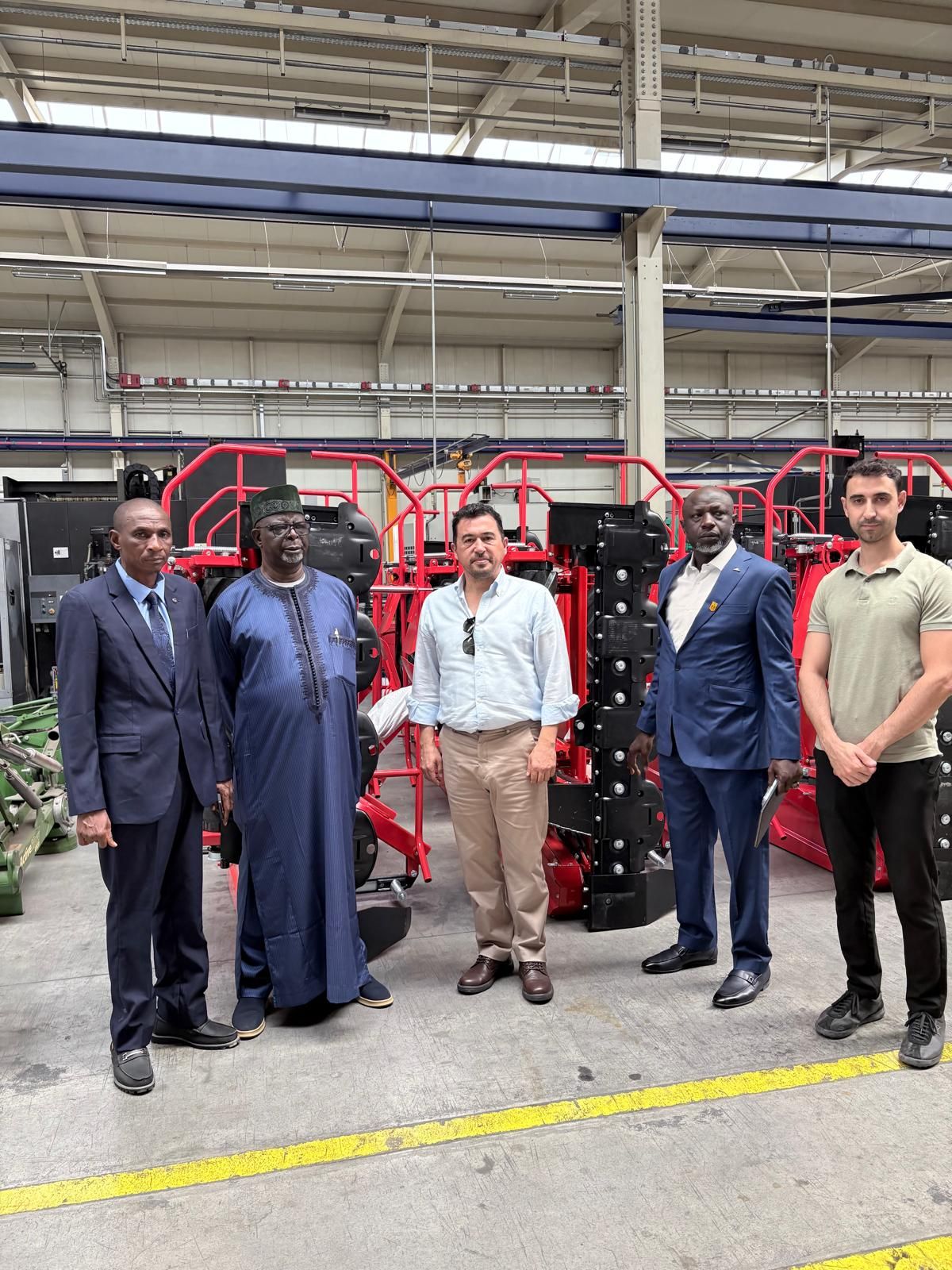
Alongside the intensive technical programme, the delegation experienced traditional Turkish hospitality and cuisine and visited the Mevlana Museum, one of Konya’s most recognised cultural and spiritual landmarks.
The Bauchi mission represented another important step toward transforming international cooperation into practical agricultural investment, technology transfer and measurable development outcomes.